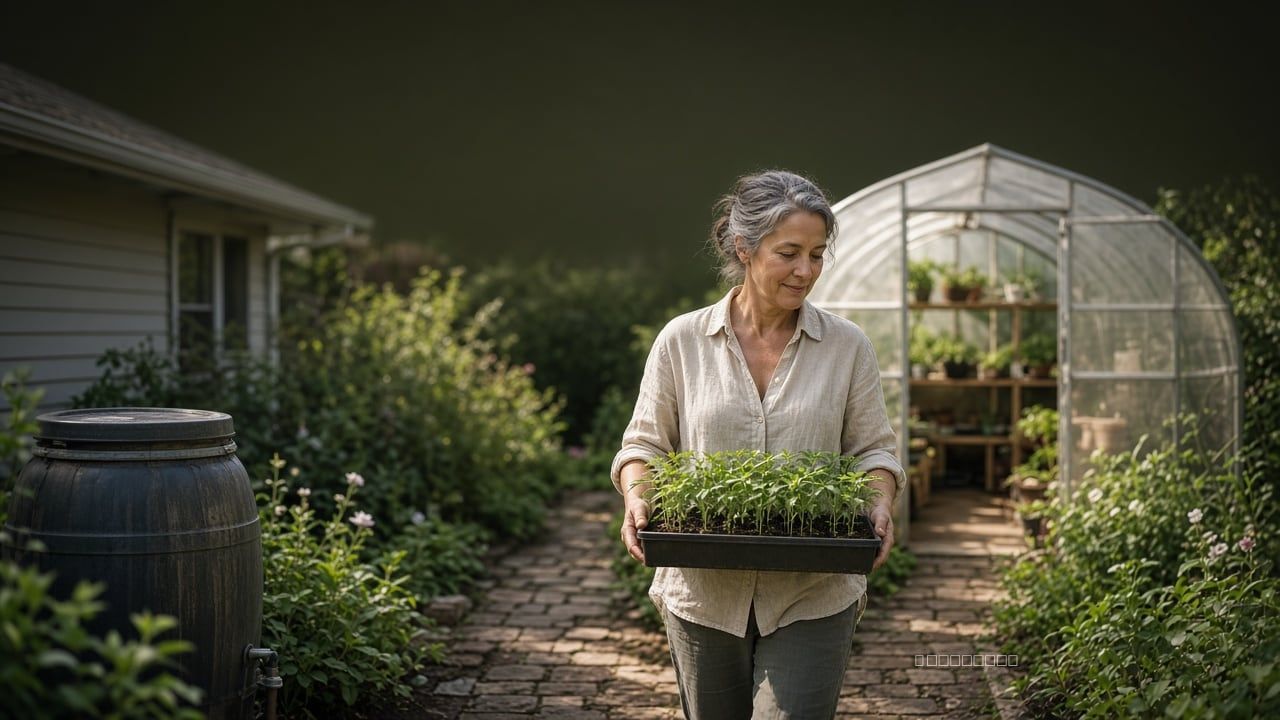
What Is the Best Way to Learn How to Start Growing Cannabis
Confirm it is legal where you live, then finish one small plant with one curriculum and a journal.
Auntie Eida ·
TL;DR
The best way to learn is to check your state's home-grow rules, then finish one legal plant with a single handbook or class and a written journal. Skip the gear binge and the strain chase until that first cycle is done. If home cultivation is illegal where you live, learn through licensed operators, horticulture school, or legal hemp instead of planting anyway.
Do not start with a cart full of lights and bottled nutrients. Confirm that home cultivation is lawful at your exact address, then finish one small, legal plant while you follow a single handbook or course and keep a written journal. One plant, from germination or clone through harvest, dry, and cure, teaches timing, watering, nutrition, pests, and site limits. A stack of unrelated videos usually does not.
Do the legal homework this week, before you buy a tent, a light, a bag of soil, or a clone. Open your state cannabis regulator’s home-cultivation page, and the underlying statute if it is posted, and read the plant cap, where plants may sit, whether you need a medical card, and whether outdoor plants are allowed. If your state, tribe, or territory does not allow home grow, do not plant. Learn through licensed operators, a community-college horticulture class in a legal jurisdiction, or hemp work that actually fits federal hemp law and your state’s hemp rules. Treating an illegal plant as a classroom is how people lose the chance to keep learning in the open.
If you are allowed to grow, treat the first run as school, not as a miniature warehouse. Choose one location that fits the statute and your climate, one medium, and one beginner plant. Stay with that life cycle until you can narrate germination, vegetative growth, flower initiation, harvest, dry, and cure in plain language you would use on a phone call. Buy only what that first plant needs. Extra fixtures and extra plants multiply the same mistake.
Is home cultivation even legal where you live?
Cannabis (marijuana) is no longer a Schedule I controlled substance under the U.S. Controlled Substances Act for medical, but still is for recreational. Permission to cultivate, if you have it, comes from your state, tribe, or territory, and it is often narrower than a retailer blog or a forum post will tell you. Federal status still matters for banking, firearms rules, public housing, immigration questions, and crossing state lines with plants or flower. A plant that is lawful in your state can still get you in trouble in the next driveway you drive it through. Keep plants and harvested material in the jurisdiction that authorized them.
Read the primary source: the statute and the regulator’s FAQ, not a shop’s “how to grow” page. You want a short list of facts. Is home cultivation allowed at all? How are plants counted (flowering versus total, mature versus immature, and whether clones or seedlings count)? Must plants sit out of public view? Do you need a medical card or caregiver registration? Does your city, county, or homeowners association add a ban or a setback on top of the state rule?
Some jurisdictions that allow licensed adult-use sales still restrict or forbid home cultivation. Some medical-only programs allow limited home grow with a card. Where home cultivation is allowed, plant limits are typically modest and often include both a per-adult cap and a household maximum. Those numbers change. A stale figure in an article is worse than none. Pull the current official page this week and write the cap, the visibility rule, and any card requirement in the front of your journal. Recheck after elections and after legislative sessions.
If you rent, read the lease and any house rules. Landlords can prohibit cultivation even when the state allows it. If you live in federally assisted housing, treat that as a hard stop until you have written guidance from someone qualified to give it. Do not assume a state legalization headline overrules a federal housing rule or a lease clause.
Outdoor growers should also check setback, fencing, locking, and language about plants being out of public view. Walk the yard this week in daylight and again at dusk. If a neighbor can see the plants from the sidewalk, a parking lot, or an upstairs window, you may already be outside the rule even if the plant count is legal. Smell is part of that site plan. Flowering cannabis is conspicuous, and a legal plant count will not help you if the hallway or the fence line already tells on you.
Commercial cultivation is a different license, a different building code, a different testing and waste regime, and a different conversation with local government. Keep those worlds apart. Learn at home scale if you are learning at home. If you are trying to staff a licensed canopy, hire people who have finished cycles in regulated rooms, and send yourself through a formal cultivation program rather than treating a garage as a prototype lab. Shadowing a compliant room teaches why standard operating procedures exist: worker safety, sanitation, inventory, and recall. A closet tent will not.
Federal hemp law (the 2018 Farm Bill framework and later USDA implementation) is not a back door to grow marijuana at home. Hemp and marijuana are distinguished in federal law primarily by delta-9 THC concentration, and both the crop and the paperwork are regulated. If your interest is industrial hemp, follow the USDA and state hemp program, not a cannabis grow forum. If your interest is marijuana, stay inside the state home-cultivation rule or do not plant.
What should you study before you buy a single piece of gear?
Before you shop, you should be able to explain, in your own words, how a cannabis plant moves from seed to harvest, what it eats, what light does to it, and how water and air move through a root zone and a canopy. That outline is the curriculum. Equipment is only how you deliver those conditions. Buy gear first and you end up lighting an empty tent while you still cannot describe flower initiation.
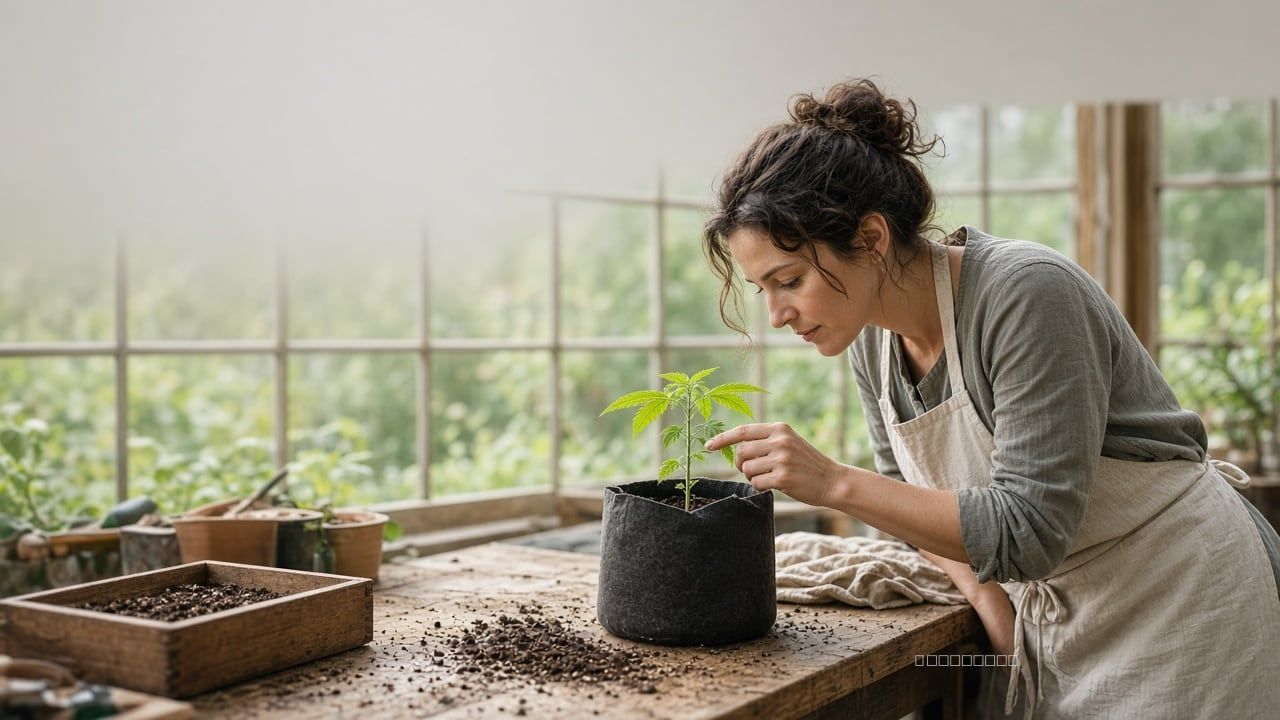
Start with general horticulture, not strain folklore. Cannabis is a plant. It wants a root zone that drains, a leaf canopy that can breathe, light with enough intensity and the right day length for the type of plant you chose, and a modest, balanced diet. If you already grow tomatoes, peppers, or basil well, you already practice several of the same skills: reading leaves, lifting pots, and not drowning roots. If you have never kept a houseplant alive, practice on lettuce or herbs for a few weeks so you learn overwatering and underwatering on a cheaper crop. Those plant skills transfer. The cannabis paperwork still has to match this crop and this address.
Learn these ideas until they feel ordinary, not until you can recite brand names.
Photoperiod. Many cannabis cultivars flower when nights get long. Indoor growers copy that seasonal cue by switching from a long day to a 12-hour light / 12-hour dark cycle. Autoflowering plants flower largely by age instead of day length, which can simplify a first indoor run because you do not have to “flip” the room. You get less control over final size and less room to recover from an early mistake. Autoflowers and photoperiod plants both still need water, air, and a legal site.
Medium. A quality potting soil made for vegetables, with decent drainage, is often more forgiving for a first plant because it buffers some watering and feeding mistakes. Coco and recirculating hydroponic systems can work well in experienced hands, but they punish dry or wet swings faster. For a first plant, pick the medium a mentor who has finished cycles already uses, or pick a labeled potting mix you can describe, not an unlabeled mystery bag. Whatever you choose, learn how it holds water by lifting the pot, not by watching a calendar.
Water. A frequent first-cycle problem is watering on a schedule instead of by pot weight and how the plant looks. Lift the pot. Learn the difference between a light pot and a heavy one. Look at the leaves and the surface, then wait. That skill transfers to soil, coco, and later methods. Overwatering starves roots of air. Underwatering shows up as droop and crispy edges. Either one can look like a nutrient problem if you only stare at a bottle chart.
Nutrition. Nitrogen supports leafy growth. Phosphorus and potassium become more important as flowers form. You do not need a long bottle line on plant one. You need to read a label, start conservatively (many growers begin below the full recommended dose on a new plant), and watch the leaves over days, not hours. Burnt tips and clawed, overly dark leaves can indicate overfeeding. Pale new growth can indicate underfeeding, lockout, or a pH problem in the root zone. A simple pH meter or good pH drops, used the same way every time, helps you stay in a range your medium can actually use. You are not chasing laboratory precision on plant one. You are trying to avoid the slow stall that comes from feeding in the wrong range for weeks.
Pests and sanitation. Inspect the undersides of leaves. Isolate new clones. Do not walk from an infested garden into a clean tent in the same clothes. Integrated pest management starts with cleanliness, air flow, quarantine, and knowing what you are looking at, not with a spray you cannot name. Sticky cards, a cheap jeweler’s loupe, and a habit of looking weekly will teach you more than a panic purchase. If you bring in a clone, you bring in that plant’s history.
Drying and curing. A healthy plant ruined in a hot closet is still a failed class. Plan a dark, cool, slightly humid space before you harvest, and give yourself days, not hours. Hang or rack in the space you already prepared. Jar only when small stems snap and the outside of the flower feels dry to the touch, then open those jars and keep smelling. An ammonia smell means you sealed too wet. If you rush this part, you will not know whether the grow failed or the cure did.
One book on the shelf beats twenty saved links. Ed Rosenthal’s grower’s handbook and Jorge Cervantes’s cannabis encyclopedia are widely cited English-language references that many readers still use as a spine for a first syllabus. Pair either one with a basic vegetable-gardening text from your library so you hear the same biology (transpiration, photoperiod, media, pests) in two voices. If you want a classroom, look at community-college cannabis horticulture certificates in legal states, and at long-running programs such as Oaksterdam University in Oakland. Confirm current programs, locations, and requirements on their official sites. Tuition, job placement, and success rates belong on those sites, not in an article that cannot verify them.
If you work on the business side of a licensed operator, sit through the same horticulture block. You cannot read a cultivation SOP with any honesty if you cannot picture a week in vegetative growth, a wet week in flower, or a dry room that is too warm.
This week, do three things and stop: borrow one coherent handbook, walk your legal grow space with a notebook, and write a one-page life cycle in language you would use on a phone call. If you cannot explain flower initiation, photoperiod versus autoflower, and why roots need air, you are not ready to shop for lights.
Should your first plant live indoors or outside?
Match the classroom to the law and the weather, not to what looks impressive online. Outdoor plants need a legal, private site with enough sun and a season long enough to finish flower. Indoor plants need a room you can actually control, and an electric bill and heat load you can live with.
Choose outdoor if your jurisdiction allows it, your site is truly private, and you have a finish that is warm and not endlessly wet. You get free light. You also get weather, animals, mold pressure in a damp autumn, and nosy sightlines. A south-facing corner that already grows tomatoes is a better classroom than a dark side yard you hope to rescue with a cheap lamp. Work backward from your area’s typical first frost and from the cultivar’s flowering time, which you will only know if you bought from a source that tells you.
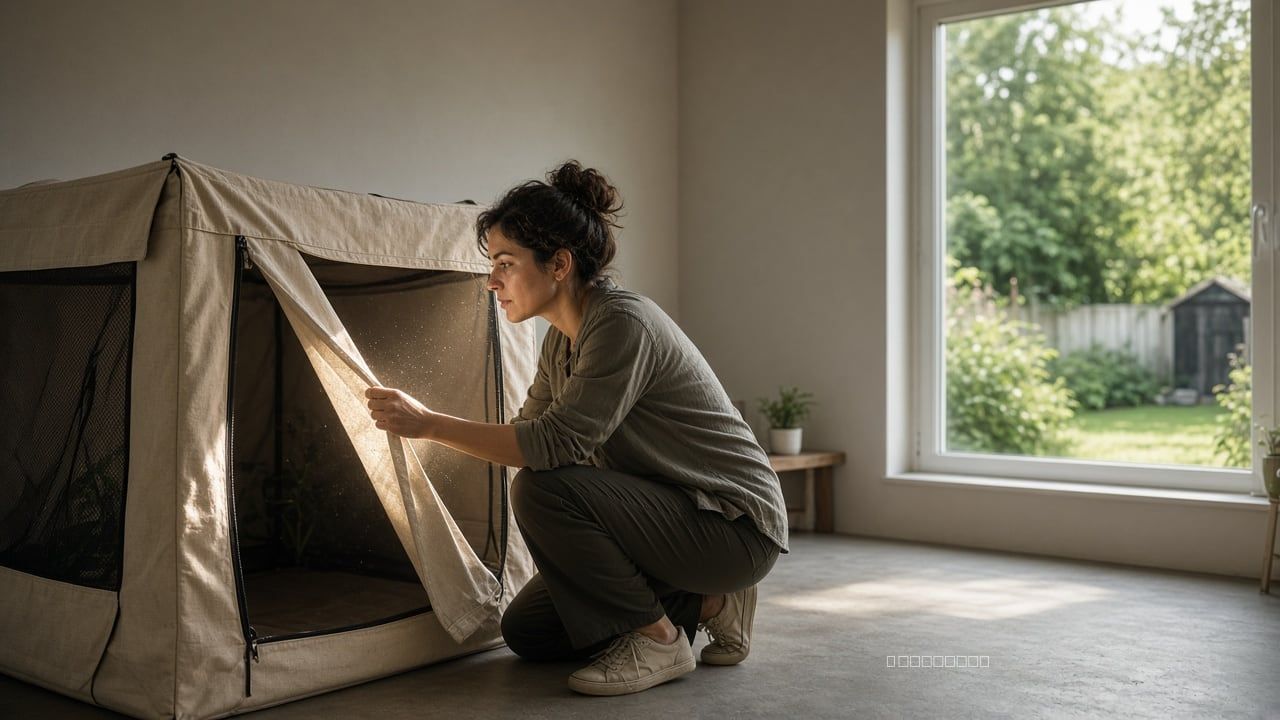
Choose indoor if outdoor is banned, your summers are too wet or too short, or you need the garden off the street. A small tent in a spare room or basement is a common first setup in places that allow indoor home grow. You will learn to manage heat, humidity, smell, and day length. You will also learn that lights produce heat, that a sealed room without a plan for air becomes a mold lesson, and that odor control is a neighbor problem as much as a horticulture problem. If you share walls, plan for that before the plant is loud, not after.
Do not start in both places at once. Two environments means two journals and twice the chances you will miss the thing that actually went wrong.
Climate is local. A method that works in a dry Pacific fall will not translate unchanged to a humid Gulf summer or a short northern season. Ask a licensed nursery (where they exist) or a county extension office about your area’s humidity, rainfall, and first frost, then work backward from harvest. Extension agents may not advise on cannabis by name in every county. They will still talk to you about soil tests, powdery mildew, greenhouse sanitation, and watering, which is most of the job.
If you are hiring or investing, watch how a candidate talks about site limits. Someone who jumps to fixtures before they mention heat, odor, water access, runoff, and the legal plant count has not run a room. The first plant you grow, even a legal one in a closet, is how you learn to hear that difference.
How do you practice on the first cycle without wasting months?
Run one plant as a class, not a warehouse. A single legal plant in a known medium, under a written schedule, teaches you watering, nutrition, pests, and timing. Extra plants multiply the same mistake and make it harder to tell which variable caused it.
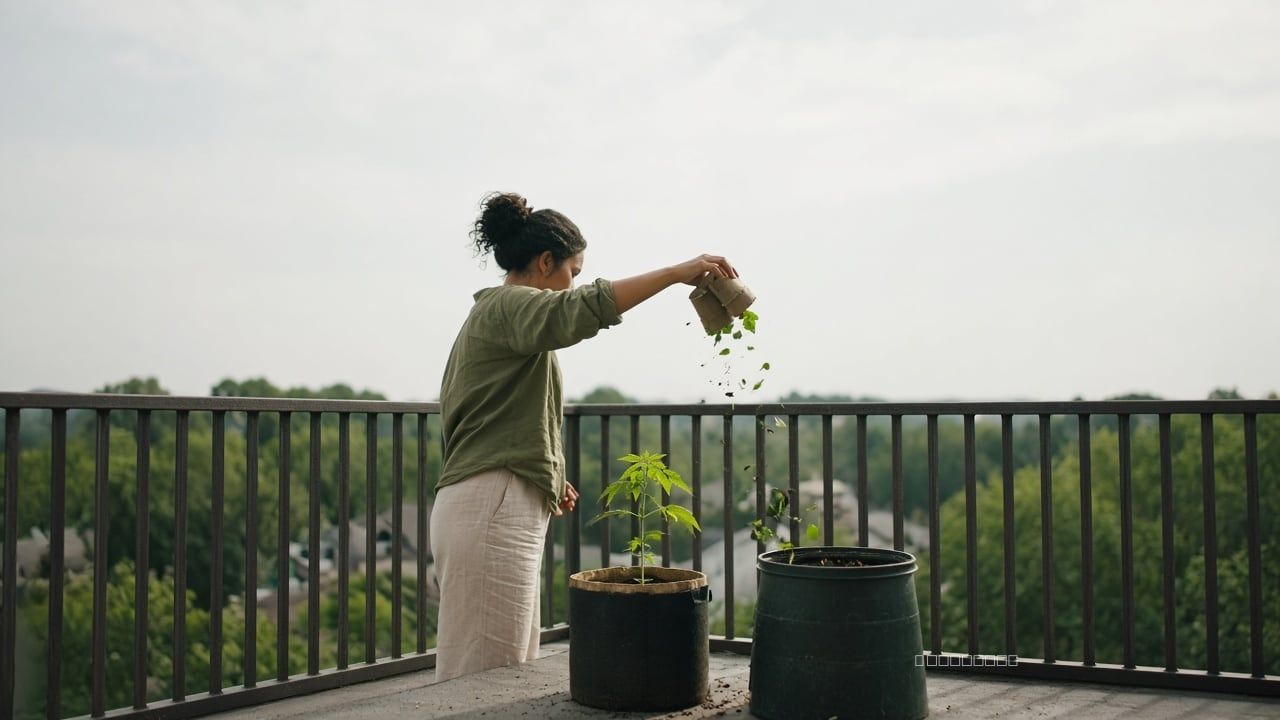
Write the plan on paper before you germinate or pot up a clone. Include the light schedule, the pot size, the feed you intend to use, how you will judge when to water, and, if you are running a photoperiod plant, the date you expect to change to a flowering day length. Then write what actually happened, every few days: pot weight, leaf color, odd smells, new insects, temperature, and humidity if you can measure them. The journal is the education. Memory is how a nitrogen burn comes back next season with a new name attached to it.
Start from seed if you want to see the whole life cycle and you can buy from a legal source in your jurisdiction. Start from a clone if your state allows it and you want to skip germination, knowing you also inherit that plant’s pests and its age. For a first indoor lesson, many growers prefer a compact plant that will finish in a modest tent. There is no universal “best strain” for beginners. That list is marketing. Ask a licensed nursery what is finishing reasonably for first-timers in your climate this season, and buy only what you are allowed to possess.
Resist the upgrade itch. You do not need a new light because a forum prefers a different diode. You need to finish the plant you have, take notes, and change one variable next time. That is how horticulture is learned, in cannabis and in every other crop.
Harvest is not the last day of school. Choose wet-trim or dry-trim on purpose so you can compare notes later. Hang in the space you already prepared. Do not rush jars. If a plant dies, keep the notes. You paid for the lesson either way, and the journal is the only part you can reuse.
Give yourself one full cycle before you decide the question is settled. From seed, that is months, not a weekend. Use the slow stretch to learn trimming, to tour a licensed facility if your state offers public or trade days, and to read one chapter ahead of the plant so you are not searching deficiencies at midnight.
If you already work in the industry and have never grown, do this on a legal home plant or in a training room, not on a production bench with a test batch riding on your first watering. The first cycle is for your hands. The second cycle is when your notes start to look like a procedure you could hand to someone else.
Who should you learn from, and who should you skip?
Borrow structure from people who have finished cycles in the open, not from people whose job is to sell you a light. A mentor at a licensed nursery, a neighbor who will let you watch a harvest, a community-college lab, or a long-standing school will usually beat a thread of anonymous photos.
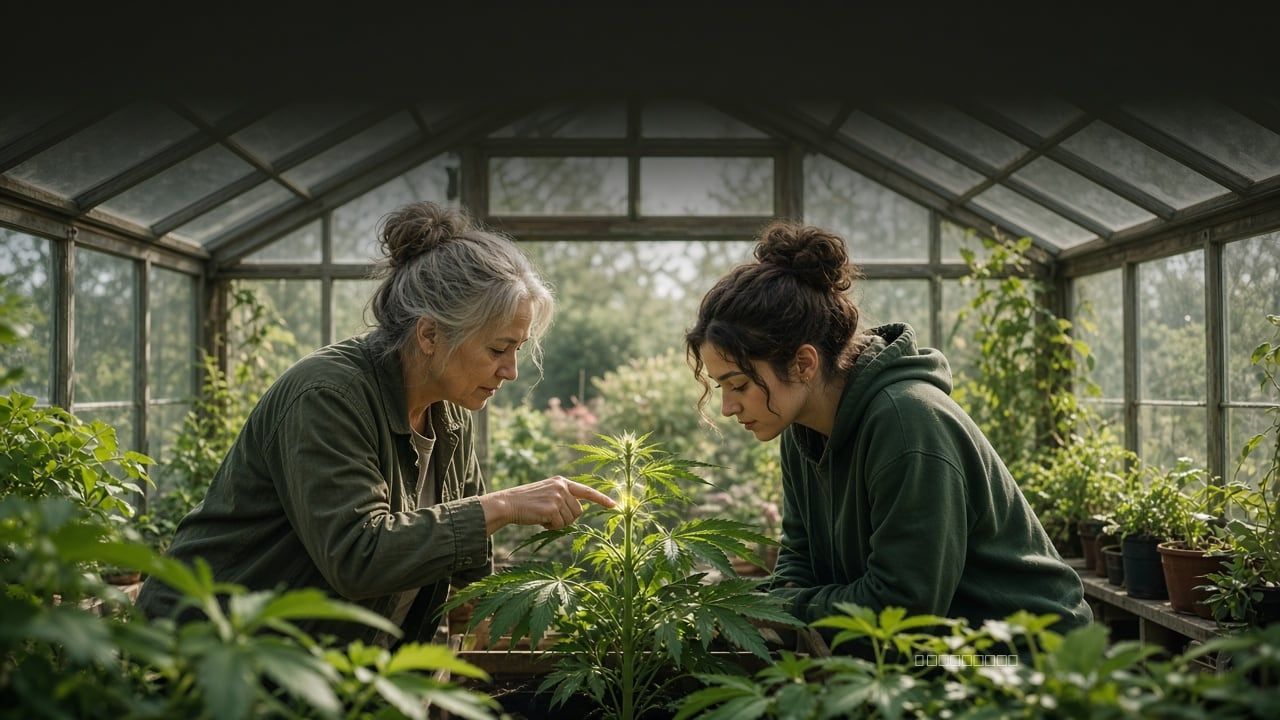
Be picky. Useful teachers talk about sanitation, recordkeeping, and the week the plant looked ugly. They will tell you what they ruined. Sales accounts talk about yield screenshots and proprietary bottled lines. You can learn a useful trick from a video. You cannot let a feed of tricks replace a syllabus.
Local is underrated. A grower ten miles from you knows your water, your mites, and your October fog. A celebrity garden in another climate does not. If your state has licensed plant nurseries or caregiver networks, go in person this month. Buy one plant or one bag of soil if that is lawful, and ask one specific question: what fails here in the first thirty days.
If you are coming in as an operator or an investor, pay for formal training and for time on a licensed floor. A home tent will not teach testing, recall, worker safety, or waste handling.
Skip anything that asks you to break the plant-count rule, drive clones across a state line, tap power you are not paying for, or hide a garden from a landlord who has already said no. That is how people lose the chance to keep learning in the open.
Skip the private club and the secret garden. Get a legal plant, a notebook, one coherent source, and the patience to finish. That is the best way because it is the one you can repeat, in writing, under the actual rules at your address.
FAQ
Can I learn to grow cannabis only from videos?
Videos can show a technique, but they are a poor syllabus. Use one handbook or class as the spine, keep a journal on a real legal plant, and treat clips as extras when you already know which week you are in.
What if home cultivation is illegal in my state?
Do not plant. Learn through licensed facility tours, a community-college horticulture or cannabis program where those exist, or legal hemp cultivation under federal hemp rules. Growing anyway is not a shortcut to skill.
Do I need a tent and expensive lights to start learning?
Only if indoor is your legal, practical option. Outdoor in a private, lawful site with enough sun is a complete classroom. Buy the smallest setup that can finish one plant, not a catalog of upgrades.
Should I start with seeds or clones?
Seeds teach the whole life cycle if you can buy them legally. Clones skip germination but can bring pests and an unknown age. For a first run, pick the option a licensed local nursery will actually stand behind this season.
How long before I should trust myself with more plants?
After you finish one full cycle with notes, including dry and cure. From seed that is months. Add plants only when you can explain what you would change, and only within your legal cap.