What Studies Show About Cannabis for Menopause Symptoms
Survey research describes how midlife women already use cannabis for sleep, mood, and pain, while clinical proof for hot flashes stays thin.
Auntie Eida ·
TL;DR
Clinical trials have not established cannabis as a treatment for menopause. Surveys in the journal Menopause and related research show many women use it anyway, especially for sleep, mood, and aches. If you try it, log milligrams and symptoms, check drug interactions, and keep proven care for hot flashes in the plan.
Most research on cannabis for menopause is survey work, not randomized trials. You learn what women are trying and what they report, which is not what a clinician can promise. Sleep, mood, and musculoskeletal pain show up in those reports more often than a proven effect on hot flashes. If you are weighing cannabis, treat it as something to log and discuss with a clinician, and keep hormone therapy and other standard care in the conversation when those are options for you.
Does cannabis reduce hot flashes, or is that still unproven?
Hot flashes and night sweats, also called vasomotor symptoms, start in the hypothalamus, where the temperature set point drifts as estrogen falls during the menopause transition. The endocannabinoid system has receptors in that same brain region, which is why researchers keep asking whether THC, CBD, or both could theoretically blunt these symptoms.
Plausible biology is a starting point, not a treatment result. The Menopause Society, formerly the North American Menopause Society, still points to hormone therapy as the most effective medicine for vasomotor symptoms, based on decades of randomized trial data. Cannabis has no comparable stack of randomized, placebo-controlled studies in peri- or postmenopausal women.
Open the journal Menopause and you mostly get questionnaires and surveys from academic groups. Midlife women report using cannabis for menopause-related symptoms, and many say it helps them sleep or eases discomfort. Those papers map real-world use rather than isolating whether cannabis cuts flash frequency or severity the way a blinded, placebo-controlled trial would.
If a friend describes an edible that seemed to stop her night sweats, take her experience seriously and still hold the research gap in view. Placebo responses on hot flashes are well documented in menopause drug trials. Even inactive pills can produce sizable short-term drops in reported flashes. Without blinding and a control arm, it is hard to know what did the work.
Onset time matters in a way menopause makes obvious. A flash builds and peaks in minutes. Inhaled cannabis, smoked or vaped, can be felt relatively quickly. It also tends to raise heart rate and can load the cardiovascular system, which deserves more caution in midlife and beyond, especially if you already treat blood pressure, have known heart disease, or have other cardiovascular risk factors. Edibles and tinctures avoid combustion and take longer to take effect, a poor match for a flash that is already underway.
Topical CBD applied to the skin is not expected to reach the hypothalamus in meaningful amounts, so a balm is the wrong tool if you want to interrupt a hot flash.
This week, if flashes are the main complaint, ask your clinician about options with stronger evidence first. Hormone therapy if you are a candidate. Nonhormonal prescriptions such as certain SSRIs, SNRIs, gabapentin, or fezolinetant when those fit your medical history and preferences. If you still want to test cannabis, pick a non-smoked, measured product from a licensed source, use it at a consistent clock time rather than chasing individual flashes, and write down flash count and severity for two weeks before and two weeks after you start. That personal log will tell you more than a cultivar name or a marketing claim.
Keep the log simple so you will actually fill it out. Note the date, approximate time of each flash or night sweat, a 0–10 severity score, what you had taken in the prior hours including caffeine and alcohol, and how you felt the next morning. Two weeks of baseline data before you change anything is more useful than a vague impression after a few nights.
Why do so many women use cannabis for menopause sleep and mood?
Sleep is the reason that shows up most consistently when researchers ask midlife women why they reach for cannabis.
Perimenopause can fragment sleep even when flashes are mild. Falling estrogen and progesterone change sleep architecture. Awakenings become more frequent, and some women describe a racing mind in the middle of the night. Anxiety, life stress, joint discomfort, and the physical load of the transition can do the rest.
Some research in the broader cannabis-and-sleep literature, not menopause-specific, has reported that THC may shorten the time it takes some people to fall asleep. Regular or high-dose THC use can also change sleep architecture, including time spent in REM sleep. A product that helps you drop off may not help you feel restored weeks later. Morning grogginess is a data point, not a moral failing. If you cannot function in the morning, the dose, the timing, or the product may be wrong for you.
CBD is less intoxicating for most people at typical retail doses. Some people use it for daytime anxiety. Wellness product labels often list milligram amounts far below the doses used in the limited clinical studies of CBD and anxiety, and products on the market are unevenly labeled. If you buy CBD, ask for a third-party certificate of analysis that shows actual cannabinoid content, and treat the milligram number on the package as a claim to verify.
Mood in the menopause transition has several sources. Irritability, low mood, and anxiety can follow sleep loss, hormonal flux, the load of midlife caregiving and work, or a depressive episode that needs its own evaluation and plan. Cannabis can soften a hard evening for some people. Higher THC doses can also worsen anxiety or paranoia for others, and cannabis is a poor stand-in for psychotherapy or an antidepressant when those are what the situation calls for.
Joint and muscle aches are another common reason women mention in menopause-related surveys. CB2 receptors are part of the wider scientific conversation about pain and inflammation. Most of what we have specifically in the menopause context is still self-report, sitting next to a mixed pain literature that was not designed around the menopause transition.
Plenty of women in peri- and postmenopause already use cannabis, mainly for sleep, mood, and musculoskeletal discomfort. That pattern should change how clinicians take a history, without turning surveys into a guideline.
If sleep is the lead symptom, separate “I fall asleep faster” from “I stay asleep” and from “I feel restored.” A product that knocks you out at 10 p.m. but leaves you groggy or wired at 3 a.m. has not solved the problem you brought to the dispensary. Write that distinction into the log so you are not grading the product only on the first twenty minutes.
What should you do this week if you want to try cannabis for menopause symptoms?
Start with a paper list, not a product. Write your two worst symptoms, the hour they typically hit, and what you already take, including hormones, sleep aids, antidepressants, blood pressure medicine, other prescriptions, over-the-counter products, supplements, and alcohol. Bring that list to the next visit or send it through the patient portal.
Ask one direct question: could cannabis interact with what I am already using? THC and CBD both move through liver enzymes in the CYP450 family. That matters for warfarin, some seizure medicines including clobazam, certain antidepressants, and other drugs your pharmacist will flag faster than a retail budtender. Run the interaction check as a medical task.
If you live in a legal adult-use or medical cannabis state and you are legally eligible, buy from a licensed dispensary. Ask for a product with a current lab result that lists THC and CBD in milligrams per serving. Skip jars or packages that only promise a feeling or a plant nickname.
Start with a low milligram dose. For an edible or tincture, wait a full two hours before you take more. Stacked edibles are a common way people get uncomfortably high, and nighttime is both when menopause sleep trouble often hits and when a too-strong edible is hardest to ride out. Keep the rest of the household’s schedule in mind.
Match the form to the job. A tincture held under the tongue can be easier to measure in small increments than a gummy you cannot split cleanly. A vaporizer that does not involve combustion sits in the middle on onset time, with its own lung caveats that you should discuss if you have asthma, COPD, or other respiratory issues. Smoking flower is the form many clinicians would put last if you are already thinking about heart and lung health in midlife.
Skip the hunt for a magic cultivar or strain name. Tracking milligrams of THC and CBD, clock time of use, and next-morning function will teach you more in a week or two than a dozen strain stories or terpene marketing claims. Indica versus sativa labeling on commercial products is not a reliable clinical guide.
If you have a personal or family history of psychosis, unstable heart disease, or you are pregnant or trying to conceive, this is not a casual experiment. Talk with a clinician first and consider avoiding intoxicating cannabis. If you are avoiding systemic estrogen after breast cancer or for another reason, say that out loud to whoever is advising you. Cannabis is not a substitute for low-dose vaginal estrogen when genitourinary syndrome of menopause (dryness, pain with sex, urinary symptoms) is the problem, and it is not a substitute for tamoxifen, aromatase inhibitors, or other indicated cancer therapy.
Keep alcohol out of the first test nights. Combining alcohol and cannabis makes sedation, balance, and next-day fog harder to interpret, and it muddies your symptom log.
Perimenopause is hormonally noisier than the years after your final menstrual period. A dose that felt fine in one week can feel like too much in another as hormone levels swing. Recheck the log when your cycle, if you still have one, shifts, or when other medications change.
Keep products locked and labeled, away from children, pets, and visitors who may not know what they are. Accidental ingestion of edibles is a real emergency-department issue. Do not drive or operate machinery until you know how a given dose affects you, including the next morning.
If two weeks of a consistent, measured, non-smoked product produce no change you can see on the log, or produce grogginess, anxiety, palpitations, or worse sleep, stop and take that information back to your clinician rather than escalating the dose on your own.
How should you talk about cannabis with your clinician?
Skip the speech and bring three facts: what you use or want to use, how much in milligrams of THC and CBD, and which symptoms you are targeting. Many gynecologists and primary care clinicians have heard this by now, even if their formal training never included a cannabis module.
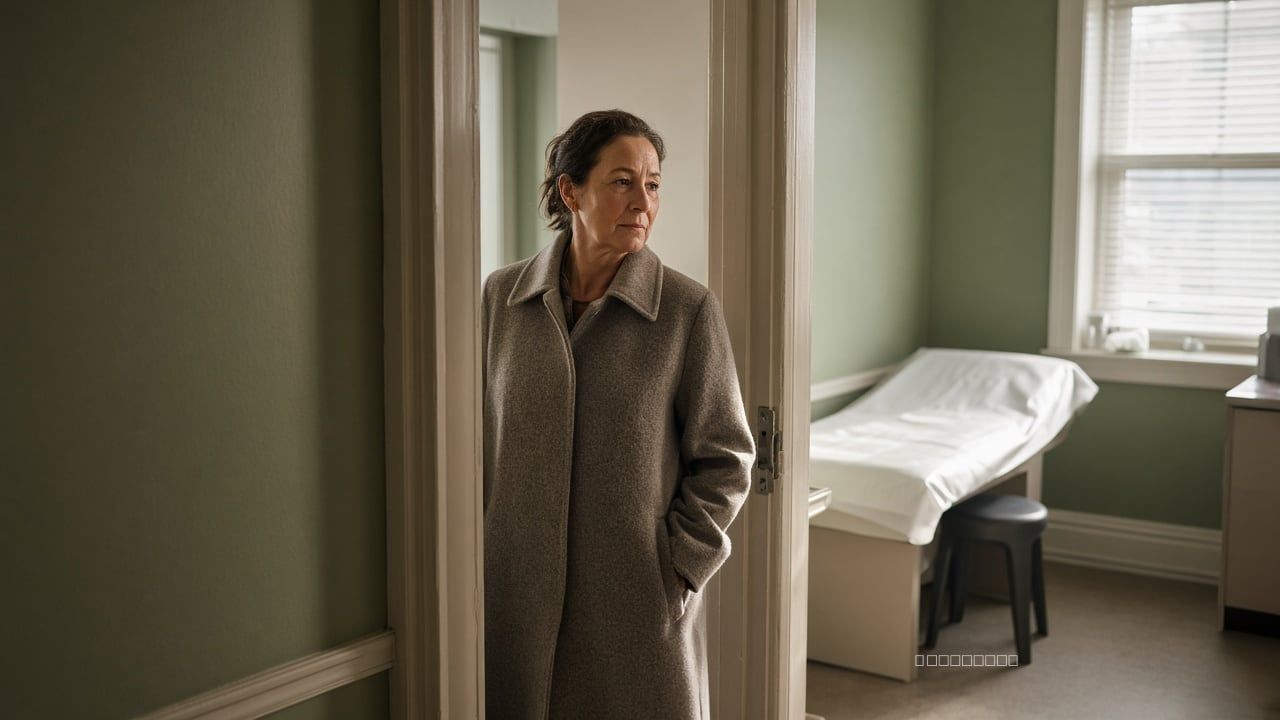
If your clinician shuts the topic down without discussion, ask for a referral to a menopause specialist, a pharmacist who can run an interaction check, or both. The point is a drug-drug review and a plan for the symptoms that actually disrupt your week.
If your clinician is enthusiastic but vague, ask what you should measure in two weeks. Minutes to fall asleep. Number of nighttime awakenings. Number and severity of flashes. A simple 0–10 pain score for joints. A foggy instruction to “see how you feel” is how people stay on a product that may only be producing an expensive placebo effect plus side effects.
People who work in the cannabis industry will recognize the same evidence gap from the other side. Brands marketing menopause-specific gummies or tinctures are often ahead of the trial data, which is a claims and advertising problem. Until adequate trials are funded in peri- and postmenopausal women, with predefined endpoints for vasomotor symptoms, sleep, and mood, the honest sentence is that many women are using cannabis, not that cannabis has been shown to treat menopause.
Federal scheduling of cannabis in the United States still makes large, well-controlled trials harder to run than they would be for a conventional drug, which is one reason the published evidence looks thin. That regulatory fact is not a license to fill the silence with certainty on product labels or in clinic.
If you already work in cannabis, the practical takeaway is the same as the consumer one. Sleep, mood, and musculoskeletal pain are the use cases women describe most often in surveys, while hot flashes remain an open research question. Dosing transparency plus third-party lab results will matter more than feminine packaging or strain folklore.
None of this replaces a clinician who knows your history. Hormone therapy, nonhormonal prescription options, cognitive behavioral therapy for insomnia, and straightforward sleep-hygiene and alcohol review still carry the strongest evidence for many of the same complaints. If you try cannabis, keep it in the same notebook as those other tools.
FAQ
Is cannabis approved to treat menopause?
No. The FDA has not approved cannabis or CBD to treat menopause symptoms. Hormone therapy remains the treatment with the strongest evidence for hot flashes.
Which helps more for sleep, THC or CBD?
People more often report THC for falling asleep. CBD is less intoxicating, and some use it for daytime anxiety. Neither has strong menopause-specific trial data, and higher THC can leave you groggy or, in some people, more anxious.
Can I take cannabis with hormone therapy?
Clinicians do not always treat them as automatic opposites, but you still need an interaction check. Tell the prescribing clinician and pharmacist what you use, including CBD oil, because CBD can affect liver enzymes that process other drugs.
Will a CBD cream help hot flashes or vaginal dryness?
A cream on the skin will not treat a hot flash, which is driven in the brain. For vaginal dryness, local estrogen has far stronger evidence. Do not substitute cannabis topicals for indicated genitourinary care.
What should I track if I try it?
Symptom, time of day, milligrams of THC and CBD, form, and how you feel the next morning. Two weeks of notes beats a strain recommendation.
Sources
- Comprehensive review of cannabis effects on female reproductive health across the life course (fertility, pregnancy, menopause) (NIH / Cannabis and Cannabinoid Research)
- FDA strongly advises against cannabis, CBD, or THC use during pregnancy or while breastfeeding (U.S. Food and Drug Administration)
- The Effects of Estrogens on Neural Circuits That Control Temperature